
Technology has transformed the way we learn, communicate, and prepare for the future. Today, students can attend online classes, access educational resources from around the world, explore new ideas, and develop practical skills with just a few clicks. Opportunities that once seemed impossible are now available through a computer or a smartphone. However, this reality is not the same for everyone.
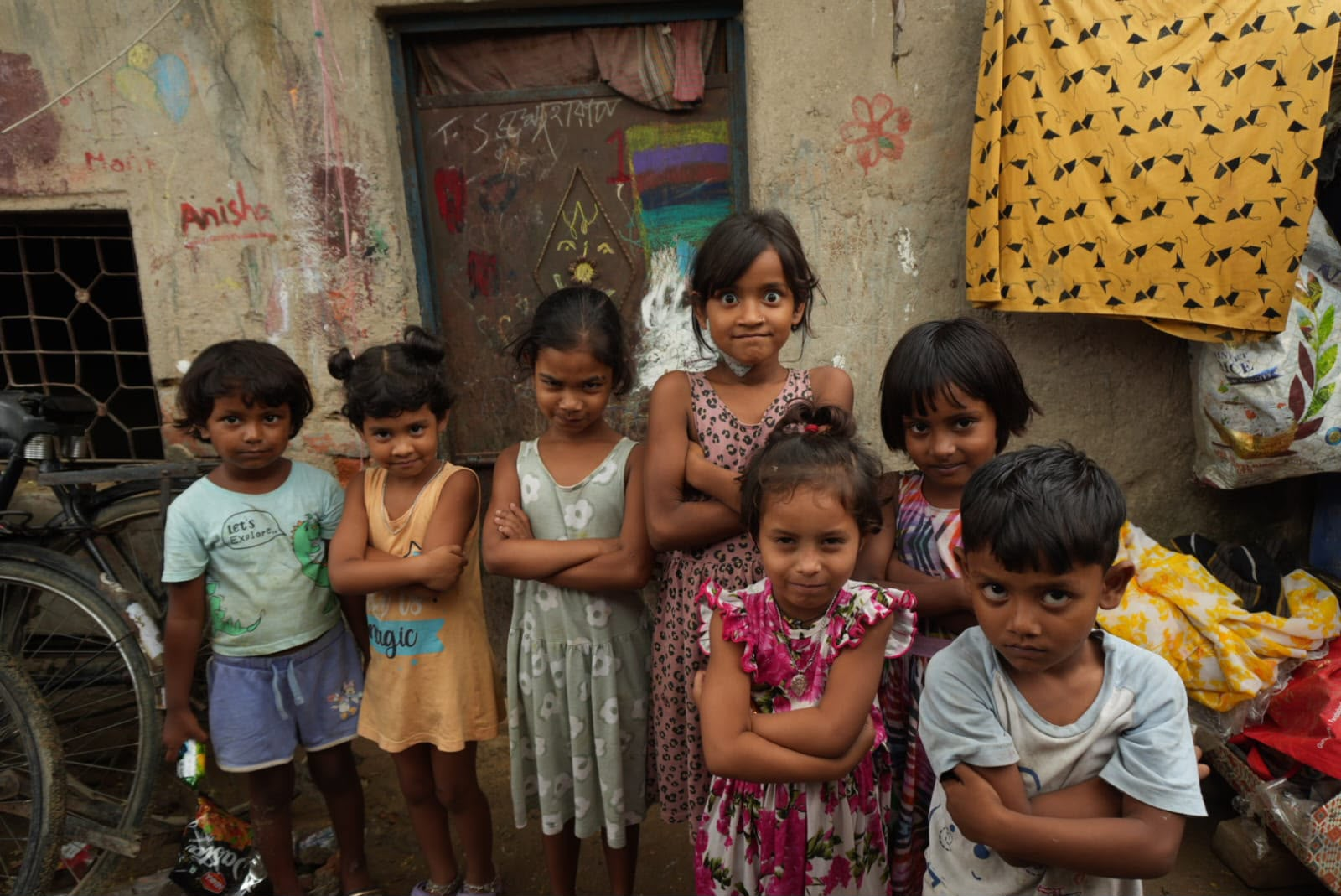
Across India, countless children, young people, and even adults continue to face challenges simply because they lack access to digital resources. For many families, owning a computer or having a reliable internet connection is still beyond their reach. As a result, talented learners often miss opportunities—not because they lack determination or ability, but because they lack access.
This growing gap is known as the digital divide.
Bridging the digital divide is about much more than providing computers or internet connectivity. It is about creating equal learning opportunities that allow every individual to learn, develop new skills, and participate confidently in today's digital world. It is about ensuring that education is no longer limited by geography, financial circumstances, or access to technology.
Across the country, NGOs are working to bridge the digital divide by bringing digital literacy programs, computer education, and community learning centers closer to underserved communities. Their efforts are helping thousands of learners gain the confidence and skills needed to build brighter futures.
Because when technology becomes accessible, opportunity becomes accessible too.
Understanding the Digital Divide
The digital divide refers to the gap between people who have access to digital technology and those who do not.
While technology continues to shape education, employment, communication, and everyday life, many communities still struggle with limited access to computers, internet connectivity, and digital learning resources. These challenges affect students at every stage of their educational journey.
Imagine a student who is eager to learn but has never used a computer before. While classmates are attending online classes, researching assignments, and learning new software, that student may still be waiting for an opportunity to experience technology for the first time.
The difference isn't talent.
The difference is access.
This gap creates inequalities that extend far beyond the classroom. Students without digital exposure often face difficulties in completing assignments, accessing educational resources, applying for scholarships, exploring career opportunities, and developing the digital skills that have become essential in today's world.
The digital divide also affects confidence. When learners repeatedly feel left behind, they may begin to believe that technology is meant for others—not for them.
That is why bridging the digital divide is not simply about technology. It is about restoring confidence, creating opportunities, and ensuring that every learner has the chance to participate in an increasingly connected world.
Why Access to Technology Is No Longer Optional
A few years ago, technology was considered an advantage. Today, it has become a necessity.
Students rely on digital platforms to complete school assignments, attend online classes, conduct research, and develop practical skills. Universities, employers, and even government services increasingly expect individuals to possess basic digital knowledge.
Without access to technology, many learners find themselves at a disadvantage long before they enter higher education or the workforce.
A lack of digital access can mean:
- Missing online educational resources
- Limited exposure to computer education
- Difficulty completing school projects
- Fewer opportunities to develop practical digital skills
- Reduced confidence while using technology
- Limited awareness of scholarships, internships, and career opportunities
These challenges often create a cycle where limited access today affects opportunities tomorrow.
This is why creating equal learning opportunities has become more important than ever.
Every learner deserves the opportunity to explore technology, ask questions, develop new skills, and prepare for a future that is becoming increasingly digital. Access to quality education remains the foundation of these opportunities. Technology should never become another reason why a talented student is left behind.
Why Digital Literacy Programs Matter
Access to technology is only the first step. Knowing how to use technology effectively is equally important.
This is where digital literacy programs make a lasting difference.
Digital literacy is much more than learning how to operate a computer. It is about understanding how technology can be used responsibly, confidently, and meaningfully in everyday life.
Through digital literacy programs, learners develop practical abilities that help them both inside and outside the classroom.
These skills include:
- Using computers with confidence
- Searching for reliable information online
- Creating documents and presentations
- Communicating through digital platforms
- Understanding internet safety and responsible technology use
- Developing problem-solving and research skills
For many learners, these experiences represent far more than technical training.
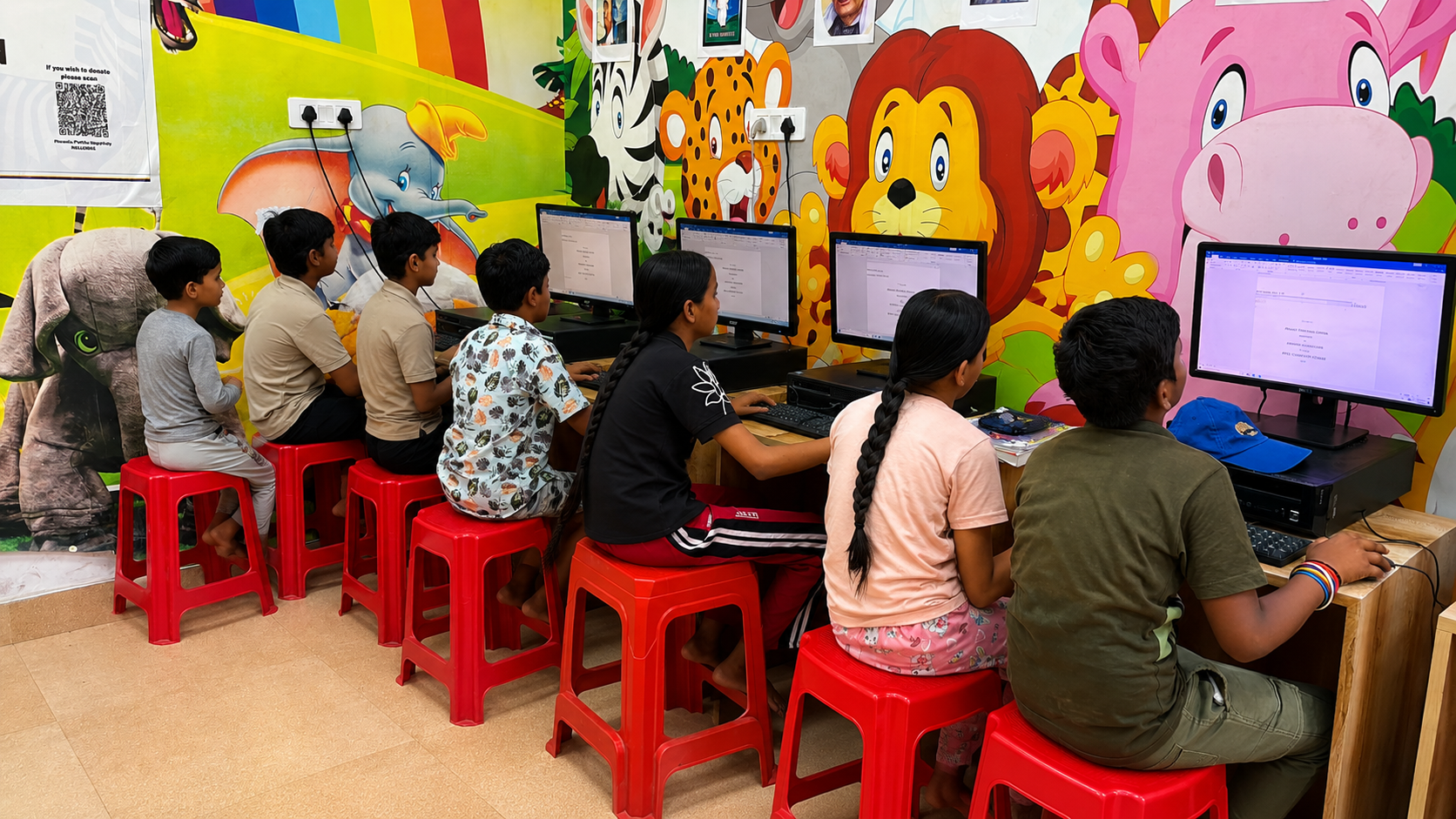
Imagine a child who has never touched a computer before. The first time they type their name, open a document, or search for educational information online becomes a moment they remember for years. It is not simply about learning technology—it is about realizing that they are capable of learning something they once believed was beyond their reach. That confidence often extends into every other aspect of life. Students become more willing to ask questions. They become curious about exploring new subjects. They begin believing that they can achieve goals that once felt impossible. This is the true impact of digital literacy programs.
They do not simply teach digital skills—they help individuals believe in their own potential.
As technology continues to transform education and employment, investing in digital literacy is becoming one of the most effective ways to create equal learning opportunities and prepare young people for the future.
Equal Learning Opportunities Create Stronger Communities
When we talk about education, we often think about classrooms, books, or examinations. But education is much more than that. It is an opportunity that can shape an individual's future and, in turn, transform an entire community.
Every child deserves the chance to learn without being limited by financial circumstances or a lack of resources. Every young person deserves access to the knowledge and skills needed to build a meaningful future. Even women who had to pause their education or set aside their aspirations because of family responsibilities deserve opportunities to learn and grow again.
Creating equal learning opportunities means ensuring that education and technology are accessible to everyone—not just those who can afford them.
When one learner gains access to digital literacy programs and computer education, the impact extends beyond that individual. Families become more engaged in learning, younger siblings are inspired to continue their education, and communities begin to recognize the value of knowledge and lifelong learning.
Education creates confidence. Confidence creates opportunities. And opportunities create stronger communities.
This is why community learning centers are becoming an important part of building inclusive communities where everyone has the opportunity to learn, regardless of their age or background.
The Role of NGOs in Bridging the Digital Divide
Bridging the digital divide requires more than technology. It requires people who believe that education should be accessible to everyone.
Across India, NGOs are helping to make this possible by creating learning environments where technology becomes a tool for empowerment rather than a privilege.
Through community learning centers, digital literacy programs, computer education, and skill development for youth, NGOs are bringing learning opportunities directly into underserved communities.
These initiatives help learners:
- Gain practical digital skills.
- Build confidence while using technology.
- Improve communication and problem-solving abilities.
- Explore educational resources independently.
- Prepare for higher education and employment.
- Develop skills that remain valuable throughout life.
More importantly, NGOs create spaces where learners feel encouraged rather than intimidated.
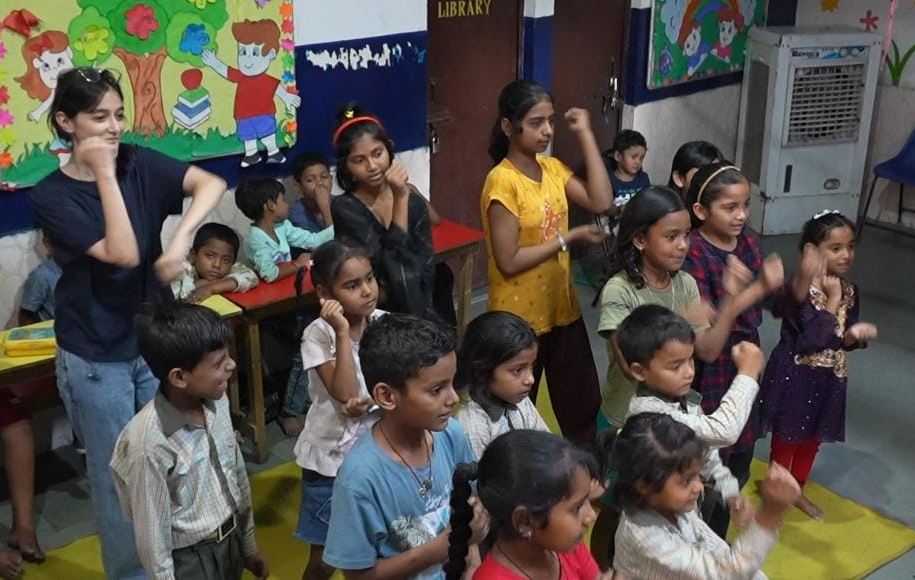
Many children walk into a learning center unsure of themselves. They hesitate to touch a computer because they have never had the opportunity before. With patient guidance and continuous encouragement, that hesitation slowly turns into confidence.
Every lesson learned becomes another reminder that learning has no boundaries. This is the real impact of bridging the digital divide. It is not simply about teaching technology. It is about helping people believe in themselves.
AWDORG Foundation's Commitment Through PROJECTeducate Centers
At AWDORG Foundation, education is seen as a pathway toward dignity, confidence, and opportunity.
This belief inspired the establishment of PROJECTeducate Centers, which creates learning spaces where education, technology, and personal development come together to empower individuals.
Today, AWDORG Foundation proudly operates 52 PROJECTeducate Centers, bringing education, digital literacy programs, computer education, and community-based learning opportunities closer to the communities that need them most.
Among this growing network, centers in Kalkaji, Gurugram, and Chanakyapuri continue to provide accessible learning environments where students, youth, and community members can learn, grow, and prepare for the future.
The centers offer opportunities in:
- Computer education
- Digital literacy programs
- English language learning
- Skill development for youth
- Media Excellence Center training
- Community-based learning initiatives
However, the true impact of PROJECTeducate Centers cannot be measured only by the number of learners or training sessions. It is reflected in the confidence of a child who learns to operate a computer for the first time. It is reflected in the excitement of a student discovering educational resources online independently. It is reflected in the smile of a learner who realises that technology is no longer something distant or unfamiliar.
Each small achievement becomes a step toward greater confidence and a brighter future.
Learning Beyond Age and Circumstance
Learning does not have an age limit.
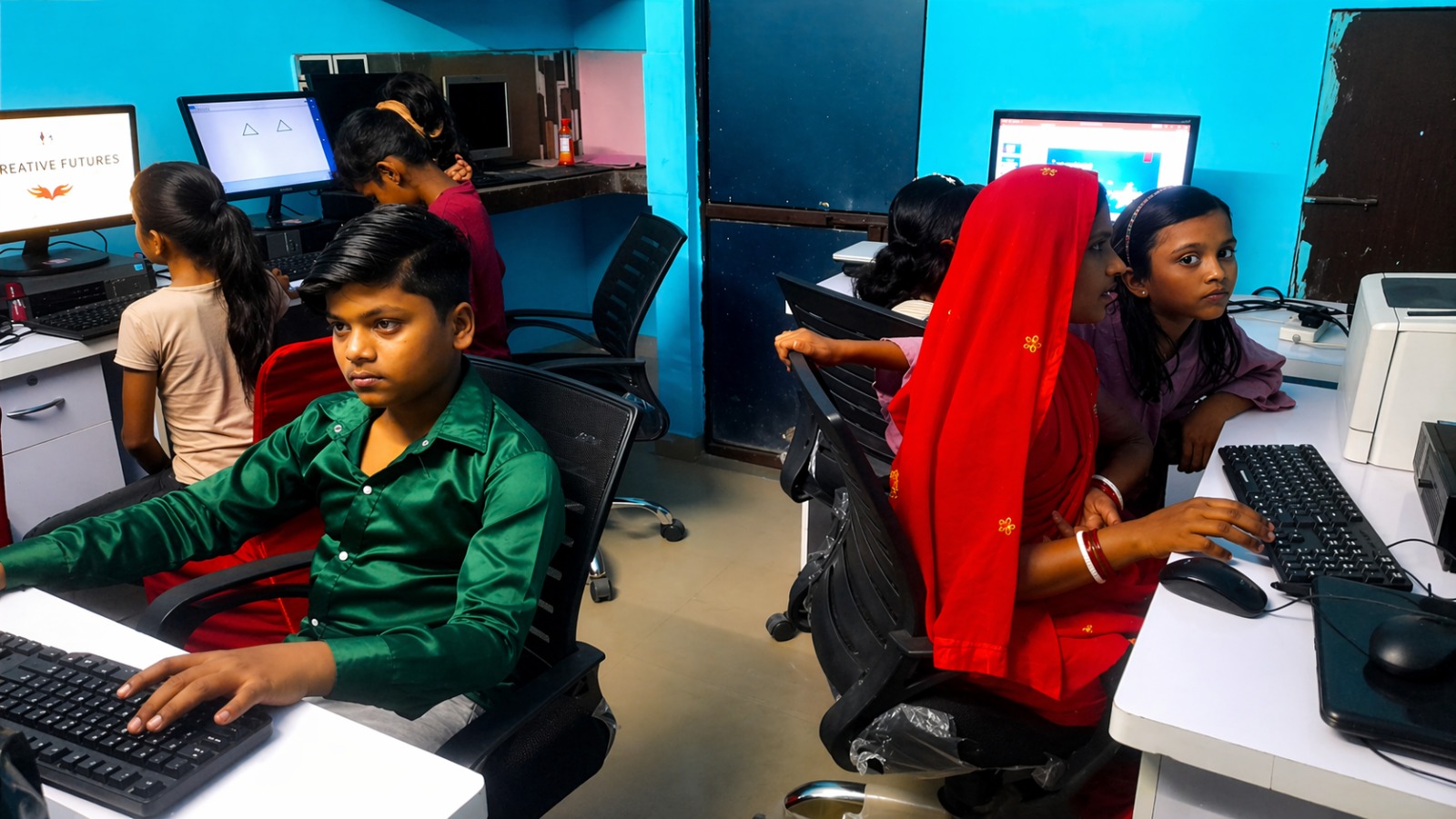
While PROJECTeducate Centers support children and young people in strengthening their education, they also create opportunities for others within the community. Many women, including homemakers and married women, once had dreams of continuing their education or learning new skills. For some, family responsibilities or financial challenges meant those dreams had to be put aside. Yet the desire to learn often remains. Many women who once believed their learning journey had ended are now discovering new possibilities through education and digital skills, reinforcing the importance of women empowerment through continuous learning.
Community learning centers create an environment where learning is welcomed at every stage of life.
Some women join to improve their digital skills. Others wish to learn basic computer education or strengthen their communication abilities. For many, the greatest achievement is not simply acquiring a new skill—it is rediscovering confidence in themselves.
When women continue learning, they become role models for their families and communities. Children witness the value of education, families become more supportive of learning, and communities become stronger together.
This is why creating equal learning opportunities is about more than education alone.
It is about giving people the confidence to believe that it is never too late to learn.
Technology Opens Doors, but People Create Change
Technology has the power to transform lives, but technology alone is never enough. Real change happens because of people—teachers who patiently guide learners, volunteers who dedicate their time, community members who encourage education, and parents who continue believing in their children's dreams. These are the people who help transform access into opportunity.
A computer may provide information, but it is encouragement that builds confidence. An internet connection may open doors, but it is guidance that helps learners walk through them. When technology and human compassion come together, education becomes a powerful force for lasting social change.
Looking Towards a More Inclusive Future
As technology continues to shape the future, ensuring equal access to learning has become more important than ever. The jobs of tomorrow will require digital skills, critical thinking, communication, creativity, and the ability to adapt to changing technologies. Preparing young people for that future begins today. By investing in digital literacy programs, community learning centers, and computer education, we are not only helping individuals develop practical skills—we are creating communities that are better prepared for the future. Every learner deserves the opportunity to participate confidently in a world that is becoming increasingly digital. Bridging the digital divide is not simply about technology. It is about inclusion. It is about dignity. It is about hope. And most importantly, it is about ensuring that no learner is left behind.
Conclusion
The digital divide continues to be one of the greatest challenges to educational equality. Without access to technology and digital learning opportunities, many talented individuals risk being left behind despite their determination and potential.
Through digital literacy programs, computer education, community learning centers, and skill development initiatives, NGOs are helping create equal learning opportunities that empower individuals and strengthen communities. Through its network of 52 PROJECTeducate Centers, AWDORG Foundation continues working to ensure that education and technology become accessible to every learner, regardless of their background or circumstances. Because every child deserves the opportunity to dream without limitations. Every young person deserves the confidence to prepare for tomorrow. Every woman deserves the chance to continue learning and rediscover her potential. When education reaches every community, opportunities multiply. And when opportunities multiply, communities don't just grow—they thrive.