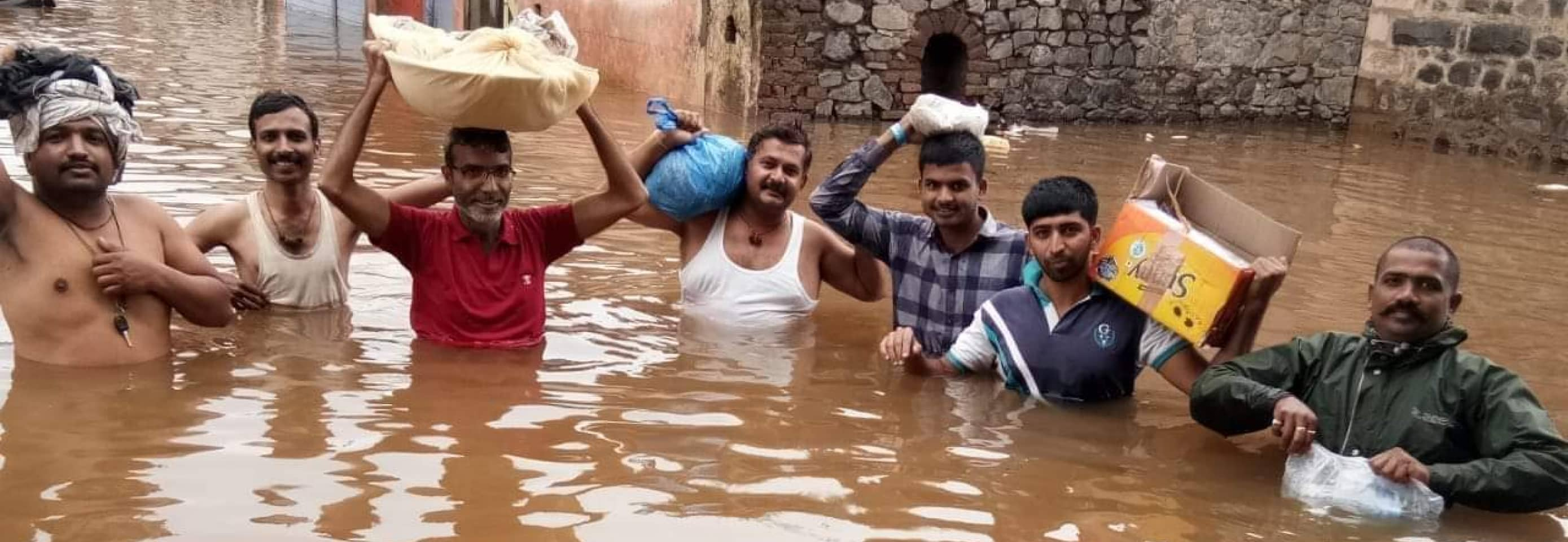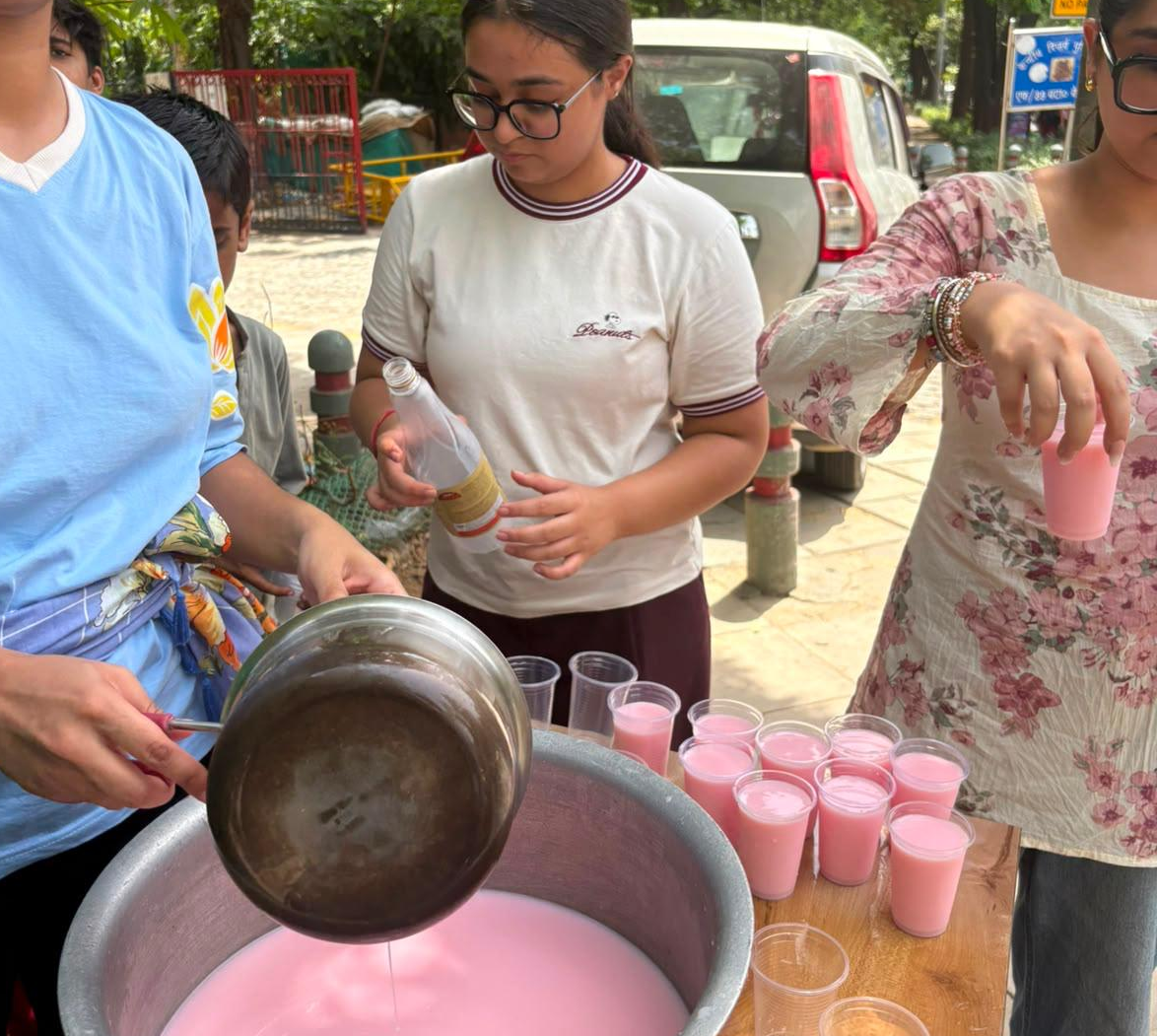

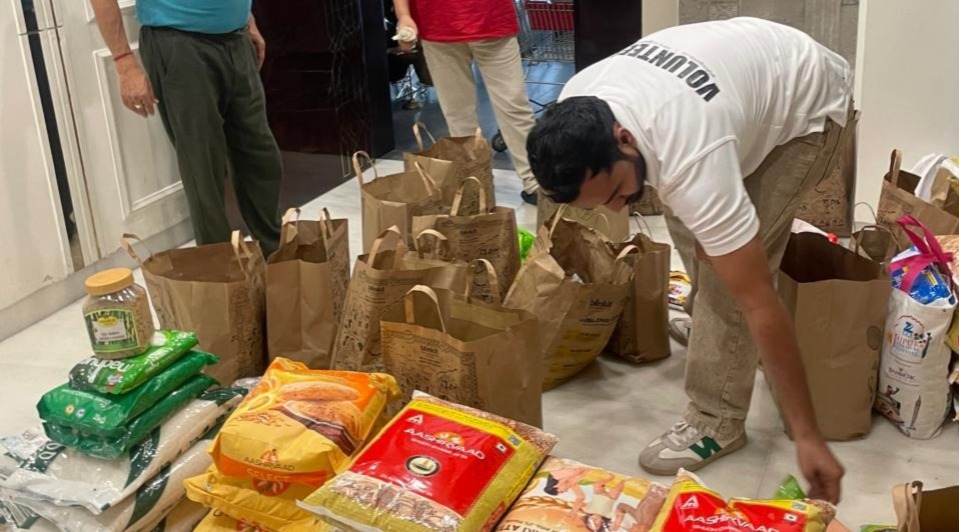
Food insecurity remains a growing challenge in many local communities across India. Limited access to nutritious food, rising living costs, and financial instability continue to affect vulnerable families, especially in underserved areas. To address these challenges, NGOs across India are supporting communities through ration drives, food assistance programs, and community-led relief initiatives that help families access essential daily needs.
Why Food Insecurity Is a Serious Community Issue
Food insecurity impacts more than hunger alone. Lack of proper nutrition can affect children’s health, learning ability, emotional well-being, and overall development. Access to education and skill development also plays an important role in long-term community growth. For many families, community food support programs become an important source of relief during difficult times. Access to essential food supplies helps improve stability and supports healthier communities. Community-led ration support initiatives can also help reduce the immediate impact of food insecurity while strengthening local support systems.
How NGOs Are Helping Communities Through Food Support Programs
Many NGOs are working actively to reduce food insecurity through:
- Community ration distribution drives
- Emergency food support initiatives
- Nutrition awareness programs
- Volunteer-led relief activities
- Support for underserved families
These initiatives help ensure that essential support reaches communities that need it the most.
AWDORG Foundation’s PROJECTration Initiative
Through PROJECTration, AWDORG Foundation works to support vulnerable communities by providing food assistance and essential ration support. The initiative focuses on community-driven efforts that help families facing financial and social challenges while encouraging collective responsibility and participation. By working closely with local communities and volunteers, AWDORG Foundation continues contributing toward stronger community support systems.
Why Community Participation Matters
Addressing food insecurity requires collective effort. When communities, volunteers, and organizations work together, even small initiatives can create meaningful social impact. Community-led food support programs not only provide immediate relief but also promote compassion, dignity, and long-term community well-being.
Conclusion
NGOs continue playing an important role in addressing food insecurity in local communities through ration support programs, relief initiatives, and community-driven efforts. By supporting food assistance initiatives and encouraging community participation, we can continue building stronger, more supportive, and more inclusive communities for the future.