
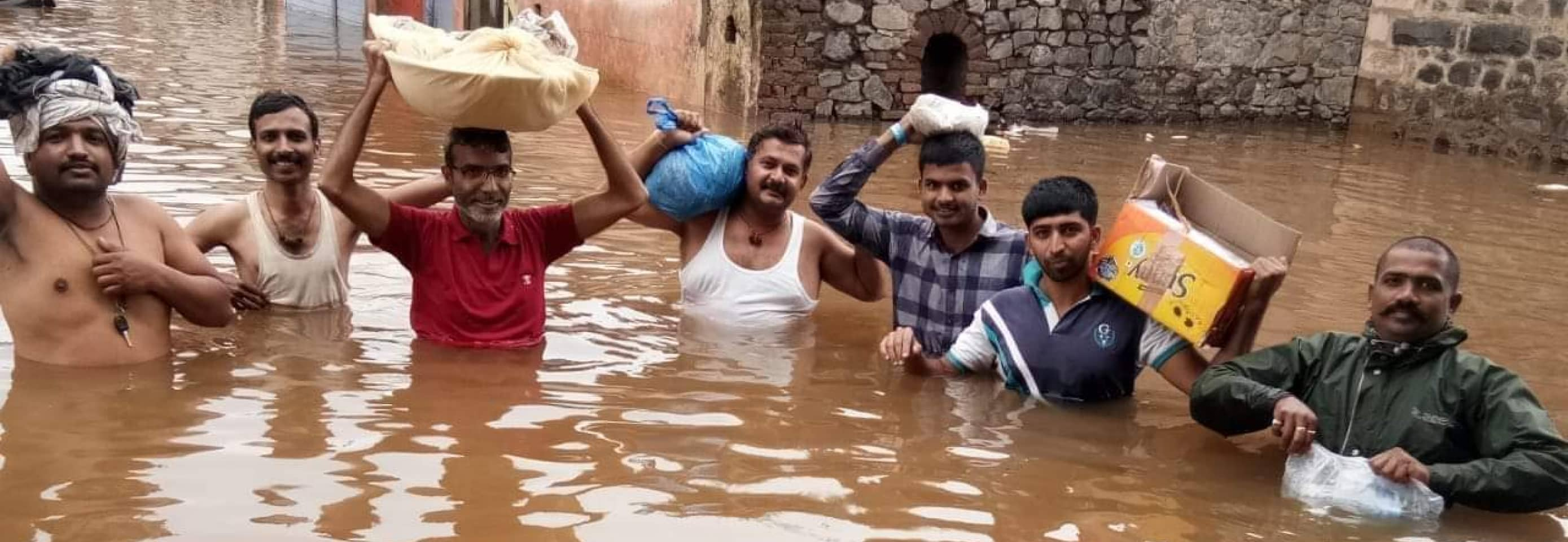
When a flood, earthquake, fire, or another disaster strikes, life can change within a few hours. Homes may be damaged, roads can become inaccessible, schools may close, and families can suddenly find themselves without food, clean water, clothing, medicines, or a safe place to stay.
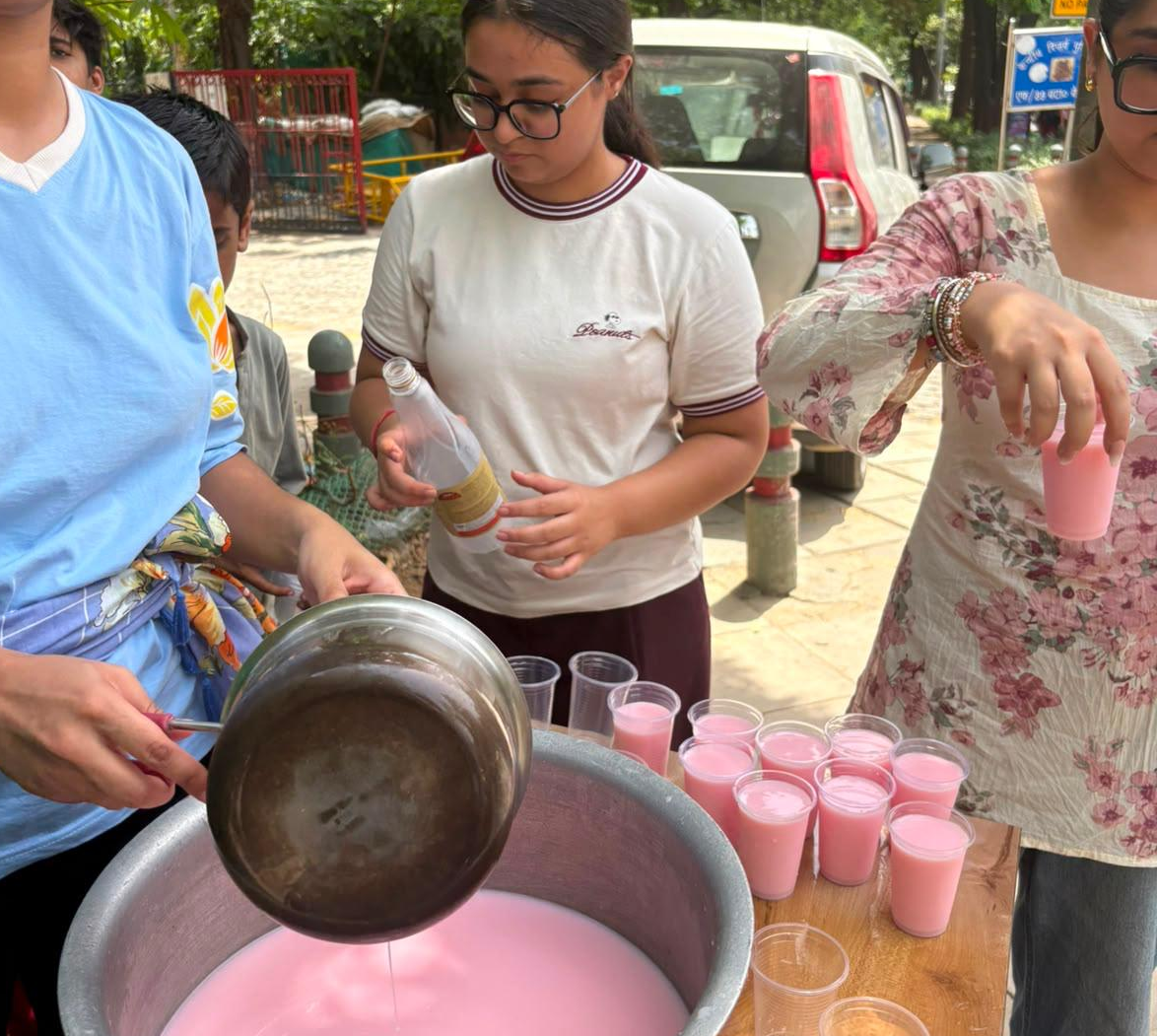
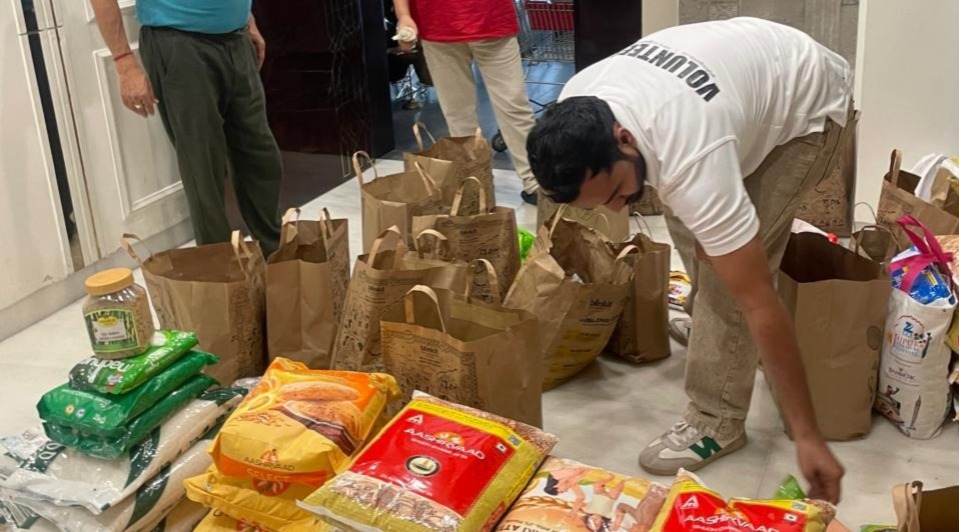
During these moments, emergency relief becomes essential. People come forward with ration, drinking water, blankets, clothes, and other necessities. Volunteers work quickly to collect, organize, transport, and distribute support. These immediate efforts can bring comfort to families facing some of the most difficult days of their lives.
But the impact of a disaster does not disappear when the water begins to recede or when the headlines move to another story.
For affected families, recovery may take weeks, months, or even longer. Children need to return to learning. Parents need to rebuild their livelihoods. Families need healthcare, emotional support, and the confidence to begin again. This is why the role of NGOs in disaster relief extends far beyond the first emergency response.
Disaster Relief Begins with Immediate Human Needs
In the early stages of a disaster, every hour matters. Affected families may have left their homes with very few belongings. Some may be staying in temporary shelters, while others may be separated from their usual support systems.
The first responsibility is to understand what people need most urgently. Depending on the situation, this may include:
- Food and dry-ration supplies
- Safe drinking water
- Clothes for men, women, and children
- Blankets and bedsheets
- Footwear, rain protection, and basic hygiene items
- Medicines and healthcare assistance
- Learning materials for displaced children
Relief should be based on genuine need rather than assumptions. A family with an infant may require different support from an elderly person or a school-going child. Listening to local communities helps organizations provide assistance that is practical, respectful, and useful.
The Needs Continue After the Emergency Phase
The first distribution drive may address hunger, thirst, and immediate safety. However, families often face another difficult stage after that: rebuilding everyday life.
A damaged home cannot always be repaired immediately. A small shop, farm, or workplace may no longer be operational. Important documents, schoolbooks, clothes, and household essentials may have been lost. Even when families are physically safe, uncertainty about the future can remain.
This stage requires patience and continued attention. Disaster recovery is not a single event; it is a gradual process. NGOs can help by staying connected with communities, identifying changing needs, and directing support where it can make a meaningful difference.
The question is no longer only, “What do people need today?” It also becomes, “What will help them regain stability tomorrow?”
Protecting Children’s Education During Recovery
Children are among the most affected during any disaster. A school may close temporarily, books may be damaged, transportation may be disrupted, or a family may be forced to relocate. In such situations, education can easily be pushed aside while the family focuses on survival.
Yet returning to learning can give children a sense of routine and emotional stability. It reminds them that their future has not ended because of the crisis around them.
Support may include notebooks, stationery, school bags, uniforms, digital-learning access, or temporary learning spaces. Community-based education initiatives can also help children remain connected to learning while their schools and neighborhoods recover.
This is where the wider work of NGOs becomes important. Organizations already involved in education and community learning can use their experience and local relationships to support children whose studies have been interrupted.
The aim is not only to replace a damaged notebook. It is to protect a child’s confidence, continuity, and hope.
Restoring Health, Safety, and Dignity
Disasters can create serious health risks. Contaminated water, overcrowded shelters, interrupted medical treatment, poor sanitation, and limited access to medicines can place already vulnerable people at greater risk.
Healthcare support during recovery may involve medical camps, essential medicines, hygiene kits, menstrual-hygiene products, assistance for ongoing treatment, or referrals to suitable healthcare services. Clear information about sanitation, clean water, and disease prevention can also help communities protect themselves.
Dignity must remain at the center of every relief effort. People affected by disasters should never be treated merely as recipients of charity. They are individuals and families experiencing circumstances beyond their control.
Small details matter: distributing clean and usable clothing, respecting privacy, considering the needs of women and children, and allowing families to communicate what they require. Compassion becomes meaningful when it is supported by respect.
Helping Families Rebuild Their Livelihoods
For many families, a disaster affects not only their home but also their source of income. A street vendor may lose equipment, a craftsperson may lose tools, a small shop may be damaged, or daily-wage opportunities may disappear.
Without income, even basic recovery becomes harder. Families may struggle to purchase food, pay school-related expenses, travel for work, or meet healthcare needs.
Livelihood recovery can take different forms depending on the community. It may involve replacing basic tools, connecting people with local opportunities, supporting women-led livelihood activities, or helping families access relevant public schemes and services.
These efforts should be realistic and community-led. No organization can promise that every family will recover immediately. However, practical support can help people take the next step towards independence.
This connects disaster recovery with the broader goal of sustainable livelihood and women’s empowerment. Relief offers support in a difficult moment; livelihood opportunities help people begin moving forward with greater confidence.
Why Local Volunteers Matter in Disaster Response
Volunteers often become the bridge between people who want to help and communities that need support. They assist with collection drives, sorting materials, packing relief kits, coordinating transportation, verifying needs, and supporting distribution.
Local volunteers are especially valuable because they understand the language, geography, and realities of the community. They may know which areas are difficult to reach, which families require urgent attention, and which supplies are genuinely needed.
However, effective volunteering requires more than good intentions. Relief materials must be clean, appropriate, safely packed, and properly organized. Distribution should be coordinated to avoid confusion, duplication, or exclusion.
When volunteers work with responsibility and empathy, they do more than move supplies. They show affected families that they have not been forgotten.
AWDORG Foundation’s Approach to Humanitarian Support
AWDORG Foundation works to support communities through initiatives connected to education, nutrition, healthcare assistance, livelihood development, and humanitarian relief.
During flood-related relief efforts, the Foundation has mobilized support such as food and dry ration, drinking water, clothing, blankets, bedsheets, footwear, umbrellas, and other essentials. AWDORG has also used its platforms to encourage people to contribute responsibly to communities affected by floods, including relief efforts connected with Nepal and affected regions of India.
Such work is not separate from the Foundation’s other initiatives. A family recovering from a disaster may simultaneously need food support, healthcare assistance, educational continuity, and help rebuilding stability. By looking at these needs together, humanitarian action becomes more responsive to real life.
AWDORG’s approach is based on collective action. Donors, volunteers, schools, supporters, partner organizations, and community members each contribute to making relief efforts possible.
Responsible Donations Create Greater Impact
People often want to help immediately after seeing news of a disaster. This compassion is valuable, but responsible giving makes that support more effective.
Before donating materials, individuals should check what is currently required. Unusable clothes, expired food, damaged items, or poorly packed supplies can create additional work for relief teams. Monetary contributions should be made through verified organizations and official channels.
Useful ways to support disaster relief include:
- Donating according to an organization's verified requirement list
- Contributing clean, usable, and properly sorted materials
- Supporting transportation and logistics where required
- Volunteering for collection, packing, or coordination
- Sharing verified appeals instead of unconfirmed information
- Continuing support after public attention has reduced
Recovery needs can change with time. Staying connected with trusted organizations helps donors understand where assistance can have the greatest value.
Recovery Is Built Through Collective Compassion
A disaster may destroy possessions, interrupt education, and take away a family’s sense of security. But it can also reveal the strength of communities when people choose to stand together.
Government agencies, local groups, NGOs, volunteers, donors, schools, and responsible citizens all have different roles to play. No single organization can meet every need. Strong recovery becomes possible when efforts are coordinated and communities are included in the decisions that affect them.
The most meaningful relief work does not end after a photograph is taken or a vehicle of supplies is distributed. It continues through listening, follow-up, education, healthcare, livelihood support, and human connection.
For a family that has lost almost everything, even one thoughtful act can become a sign that rebuilding is possible. A ration kit can provide food for the coming days. A blanket can offer warmth. A school bag can help a child return to learning. A livelihood opportunity can help a parent regain independence.
Disaster relief responds to an urgent moment. Disaster recovery helps people find the courage and support to begin again.
At AWDORG Foundation, we believe that communities should not be left alone after a crisis. Through responsible support, volunteering, and collective action, each of us can contribute to restoring not only essential resources, but also dignity, confidence, and hope.
Be Part of the Recovery
Disaster recovery does not end when the emergency phase is over. Families may continue to need food, healthcare, education, essential supplies, and support to rebuild their lives.
Your contribution can help AWDORG Foundation continue supporting communities affected by disasters and reach people with the assistance they need during difficult times.
Every contribution, big or small, can become a meaningful step towards recovery, dignity, and hope.